Ever since I was little, I would always see my mom working passionately in the kitchen to create a unique dish that always was a source of comfort, no matter what the food was.
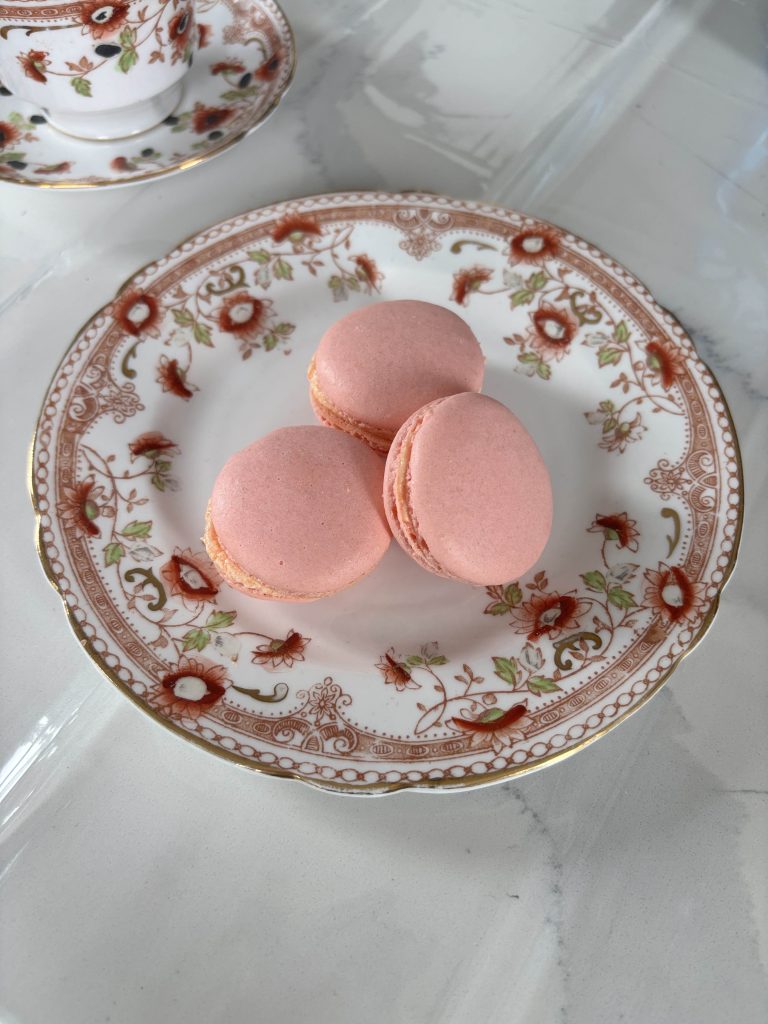
During the pandemic, I never truly understood how special that comfort was, at least not until I found myself in the kitchen at least thrice a week trying to recreate that same comfort in my own special way. Looking back, I feel like recreating that sense of comfort I found in my mother’s cooking was my way of detaching from my problems and stress created by the pandemic, by indulging in the quiet peace that came along with baking.
As time passed, baking had turned into my coping mechanism. On days when school would be too much, or when things felt too out-of-control, I just happened to find myself in the kitchen making a dessert with anything I had on hand. It soon became clear to me that the structure and organization of the recipe brought me comfort; I thought that so long as I followed the recipe, nothing could go wrong; It helped me regain my sense of control when I felt I didn’t have any. The slow and methodical process of measuring ingredients, mixing them in the perfect order, then getting to watch it all slowly come together in the oven felt so comforting to me; it was almost similar to watching my mom make her iconic dishes in the kitchen.
Additionally, baking taught me the art of patience. I feel like patience is often overlooked in the healing journey of one’s mental health, as that was one of the things I overlooked almost constantly. However, I noticed that the whole process of baking mirrors the healing process: starting from scratch and carefully measuring each ingredient with care and intention, mixing all the components together, personalizing the flavours, then finally putting it in the oven for it to be ready to enjoy. This mirrors the idea that healing shouldn’t be rushed; it takes care, time, and consideration, all in a way that is catered to oneself.
One of my favourite aspects of baking is the idea of when a dessert is “ready” can be entirely objective depending on your desired taste or texture. This is similar to how the healing process will never take the same time as it does for other people, as two people’s idea of “ready” is almost never the same. Once I realized this, it helped me understand that I should be patient and open minded with not only other people, but myself. Before baking, I would often push myself to constantly do better, but never let myself catch a break. Similar to how you make bread, I needed to let myself rest in between the process before pushing myself to the extreme.
As I shared my baked goods with others, it helped me realize the deep connection between food and mental health. People weren’t just enjoying the taste, they were finding comfort in the familiarity of the flavours and warmth. Once I realized this, it changed my perspective on food and its extraordinary ability to connect with people. This motivated me to share my desserts with as many people as I could, which led me into making my own business: Minchu’s Munchies. My business soon became my way of creating new connections, and expressing my creativity into making new flavours that my customers would enjoy. Though it wasn’t always successful, the occasional comment about how amazing my desserts made my customers feel was more than enough.
Studio.89 is a reflection of everything I’ve learned about food, as it acts as a unique centrepoint for the community to enjoy food that not only generates real impact, but helps create connections with people. I’m so grateful that I was given the opportunity to use the skills I’ve gained from owning my business to help develop fun and creative drinks that helped contribute to a larger purpose.
I hope hearing about my journey inspired you to try out a new hobby, especially if you’re struggling right now. You never truly know the impact of something as simple as baking until you try it out!!”
Youth in Action: Hanna R. Shares Insights from our Patio Sprouts Series
‘You have a right to healthy food systems:’ Studio.89 opens its Urban garden to the City of Mississauga
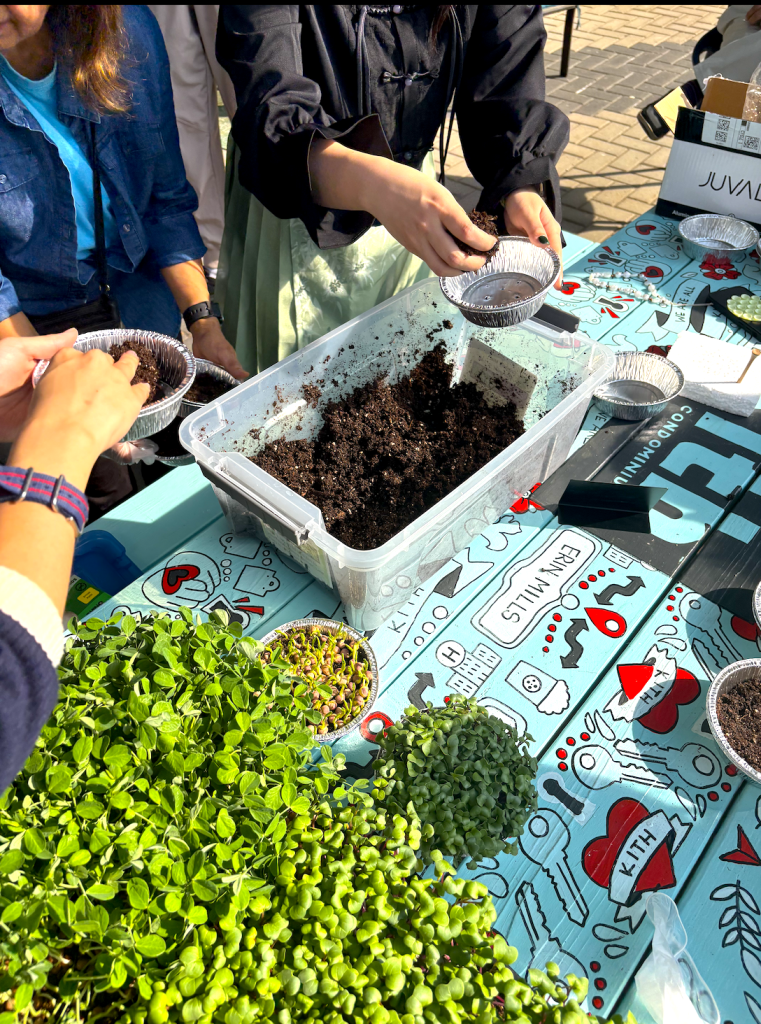
Food sovereignty is just an arm’s length away as Studio.89 opens its new vegetable and herb garden to its surrounding community. The non-profit café launched this urban agricultural initiative on May 23rd under the program name Patio Sprouts.
The concept behind Patio Sprouts took root in January—the café’s first attempt to tackle rising grocery prices and boost community engagement. The Social Impact Committee (SIC) led the charge—a volunteer youth group dedicated to developing initiatives that amplify sustainability and foster community. SIC has spearheaded several Studio.89 events, such as art showcases, park cleanups, and a Family Feud Fundraiser, where contestants were tested on issues regarding animal welfare, human rights, and the environment.
“We are showing community members that, yes, we might be struggling with our economy. But if we team up together and grow these things together, then we are able to reduce that stress [of grocery prices] at least slightly,” explained Operations Manager Aryanna Alikhan, who drafted the budget proposal to the City of Mississauga.
Patio Sprouts refers to the garden of basil, spinach, rosemary, pepper, and parsley that the SIC and high school co-op volunteers built and planted on Studio.89’s patio. The café encourages its community to come in and nurture its array of goods, connect with their neighbours, and/or share agricultural knowledge—with the promise that the garden is open for foraging.
“You have to put in that effort to take care of nature in order for nature’s benefits to take care of your body and your health,” Alikhan said, referring to the single requirement needed to pick from the café’s patio.
Alikhan also helped evolve Patio Sprouts into a series of monthly workshops, set to resume on June 14 with a beginner-friendly painting and planting session. Besides promoting community engagement and offering grocery alternatives to the surrounding area, the SIC hopes to teach café-goers about food sovereignty and encourage them to cultivate their own gardens.
“You have a right to healthy food systems, and the need to produce, distribute, and consume your food should be accessible and inclusive,” she said. “Everyone should also have access to a free community space and these programs that help develop them, personally and professionally. So, it goes hand-in-hand with food sovereignty, but also just being part of a community.”
Youth in Action: Hanna R. Shares Insights from Rising Leaders Climate Workshop 2
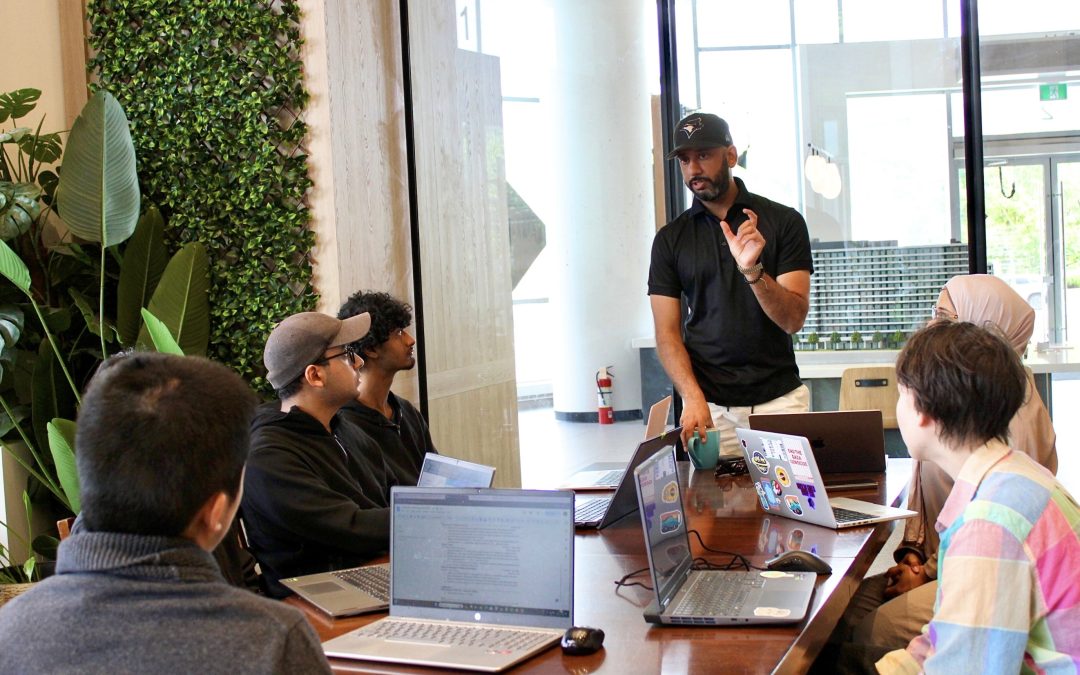
Over complimentary tea, youth environmental advocates gathered to discuss climate action and food insecurity at Studio.89’s Rising Leaders for Climate Action workshop on May 9th, 2025. Speakers led the discussion panel from the Institute for Future Food Systems and Reimagine Agriculture.
As a fair-trade, vegan cafe and non-profit community hub, Studio 89 works to equip marginalized youths with leadership training and educational programs by working with schools and local organizers, such as the Institute for Future Food Systems (IFFS) and Reimagine Agriculture. IFFS is a non-profit organization set to launch in July as an “action-oriented evolution” of Plant-Based Data, a free library database that allows users to explore pressing environmental issues. Reimagine Agriculture is a non-profit charity that aims to bridge environmental responsibility and food production and consumption by reshaping “perceptions, practices, and policies related to the food system.”
Both Penner and Jethalal provided several ways youths can mobilize to reduce environmental damage from over-cultivating, overproduction and overconsumption. Jethalal noted that engaging with climate change skeptics can be a difficult feat, considering the intersection of one’s beliefs and emotions. He suggested trying to build rapport, asking them to expand on their worldview, finding shared values, and finally, breaking down one’s argument in a digestible manner so that confusion dissipates and a healthy dialogue can ensue. Penner proposed that youth advocates bring their concerns to various levels of government. The two speakers have contacted city councils and elected officials to spread their respective causes, leading to the city of Toronto adopting two motions relating to transitioning to plant-based foods and lower-emission foods. Penner suggested meeting elected officials with four key tips: determining the magnitude of one’s request, finding credible stakeholders and sources to support the cause, speaking professionally yet cordially, and coming prepared with easy-to-skim research for the officials to go over. She said these methods will help smooth the process, emphasize the importance of the proposal or request, and ensure that constituents come across as the right people to deliver their message.
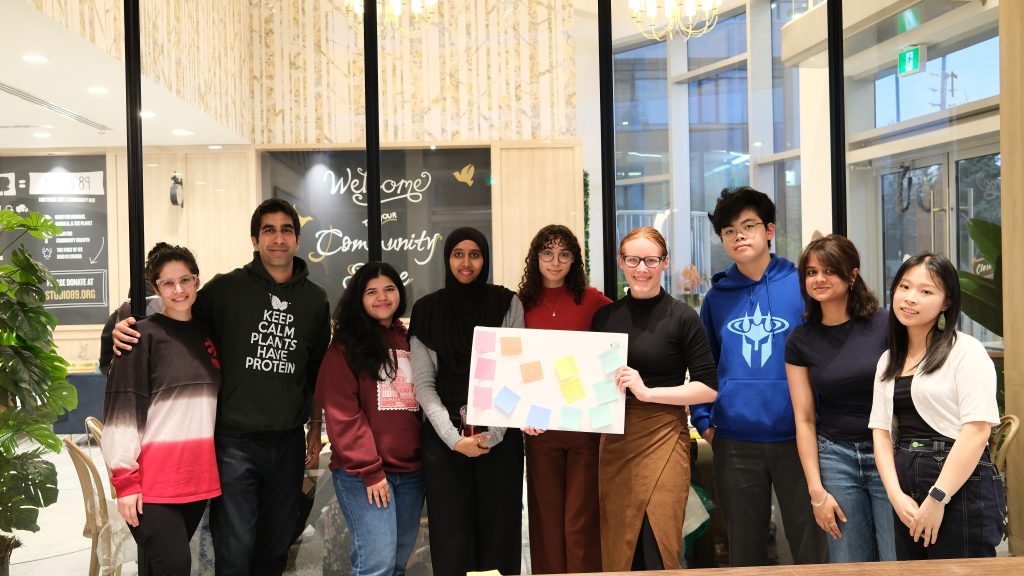
The workshop concluded with an exercise prompted by Penner, leading attendants to a nearby table to jot down individual objectives relating to environmental justice on sticky notes. Some goals included starting food waste initiatives at school, panelling at environmental assemblies, creating an in-house composting system for Studio.89, and developing an app similar to Uber Eats and Skip The Dishes that allows patrons to purchase food ready to be thrown out by fast food chains at a lower cost.
“As young leaders, this is not just about becoming problem solvers but becoming problem seekers too,” Jethalal said, encouraging youth advocates to go beyond solving issues they’re aware of and pursue societal issues they’re unaware of.
Tea has always been my little ritual, my thing… a warm hug, a moment of comfort, a reason to pause. But now, when I take a sip, I think about the people behind the leaves, the hands that picked them, the lands they grew from. I think about sustainability, culture, and the stories steeped into every cup.
I recently attended the Toronto Tea Festival and to my surprise my placement at Studio.89 gave me a whole new perspective. As I happily wandered from booth to booth, sipping and savoring (and trust me, I did plenty of that). I found myself drawn into conversations about fair trade, ethical sourcing, and the impact of conscious consumerism.
Instead of just appreciating a good brew I wanted to know: Where, how, and who grew these leaves? Were they paid fairly? How does this tea honor tradition and sustainability?
Turns out, Studio.89 had quietly trained me to ask these questions to look beyond the product and see the bigger picture, to look beyond the branding (the visual) to uncover the brand (the story). Working here has shown me that every choice we make even something as simple as choosing tea can be an act of awareness, a step toward something better.
This isn’t just a place that serves ethically sourced drinks; it’s a space that encourages dialogue, creativity, and action in ways that matter.
Being part of this mission has inspired me to engage with the world more thoughtfully, to recognize the interconnectedness of what’s in my cup with the hands that picked the leaves, the land that nourished them, and the systems that bring them to us.
Experiences like these have taught me that leadership isn’t about standing at a podium. It’s in the conversations we have, the choices we make, and the communities we build. It’s about being aware, being engaged, sharing our awareness and letting that guide how we move through the world.
At the festival, I wasn’t just enjoying tea; I was experiencing the cultures, histories, and labor behind every steeped leaf. I left with a deeper respect for the industry and a sense of responsibility that I hope to share with other. So here’s my takeaway… Enjoy your tea. Savor it.
But next time, let it stir up some questions too. Because true enjoyment requires true equity, and deeper structural (dare I say systemic) change.
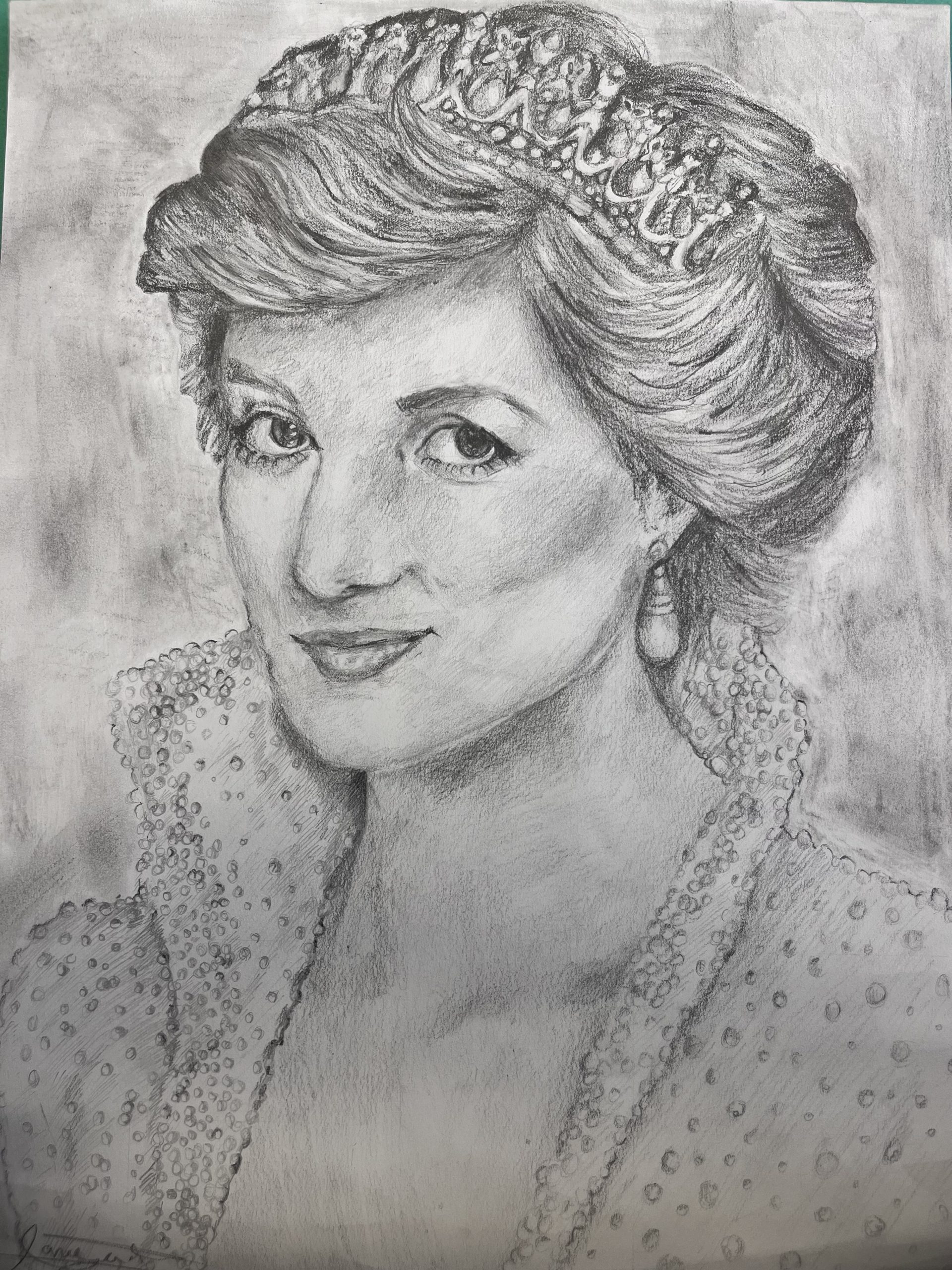
The late Diana, Princess of Wales, was born Diana Frances Spencer on July 1, 1961, in Norfolk. She lived a life of royalty and fame before tragically passing away at a young age in a car crash. During her marriage, the Princess served as president and/or patron of over 100 charities. Known as the “Giving Princess,” she was dedicated to raising awareness for causes such as homelessness, disabilities, children’s rights, and HIV/AIDS. Over her lifetime, she positively impacted millions.
Although it is believed that she began supporting these causes as a child, she faced challenges in sustaining them financially in the years leading up to her death in 1996. Nevertheless, her work continued until the end of her life.
With her passion for helping others, Princess Diana made a difference by raising awareness for people with disabilities and HIV/AIDS, advocating for better services, and promoting inclusivity and equality. This work was crucial in making the world a better place for everyone.
I honor her with a portrait because she inspired me to donate more to charities and to help save lives, just as she did.
This art piece and write up has been created by Aanya Iqbal.